• About Me
  • Reviews

Adequate Squatch Presents

~ a book review blog

Adequate Squatch Presents

Tag Archives: religion

10 Facts About The Exorcist by William Peter Blatty

13 Saturday Jan 2024

Posted by Mallory F in Listicles

≈ Leave a comment

Tags

books, classics, fiction, horror, religion

I am not going to write a review of The Exorcist novel.

This book is over 50 years old. It spent more than a year following its release on the New York Times Bestseller list, spawned a film that became a massive cultural touchstone, and it continues to spark controversy to this day. If there is one thing the world does not need, it’s my opinion of The Exorcist.

But I spent 15 hours (including a sizable chunk of a very long road trip) listening to the audiobook version, read superbly by William Peter Blatty himself. And I feel like I need to say something about it. So here are some facts you may not have known about the novel The Exorcist by William Peter Blatty:
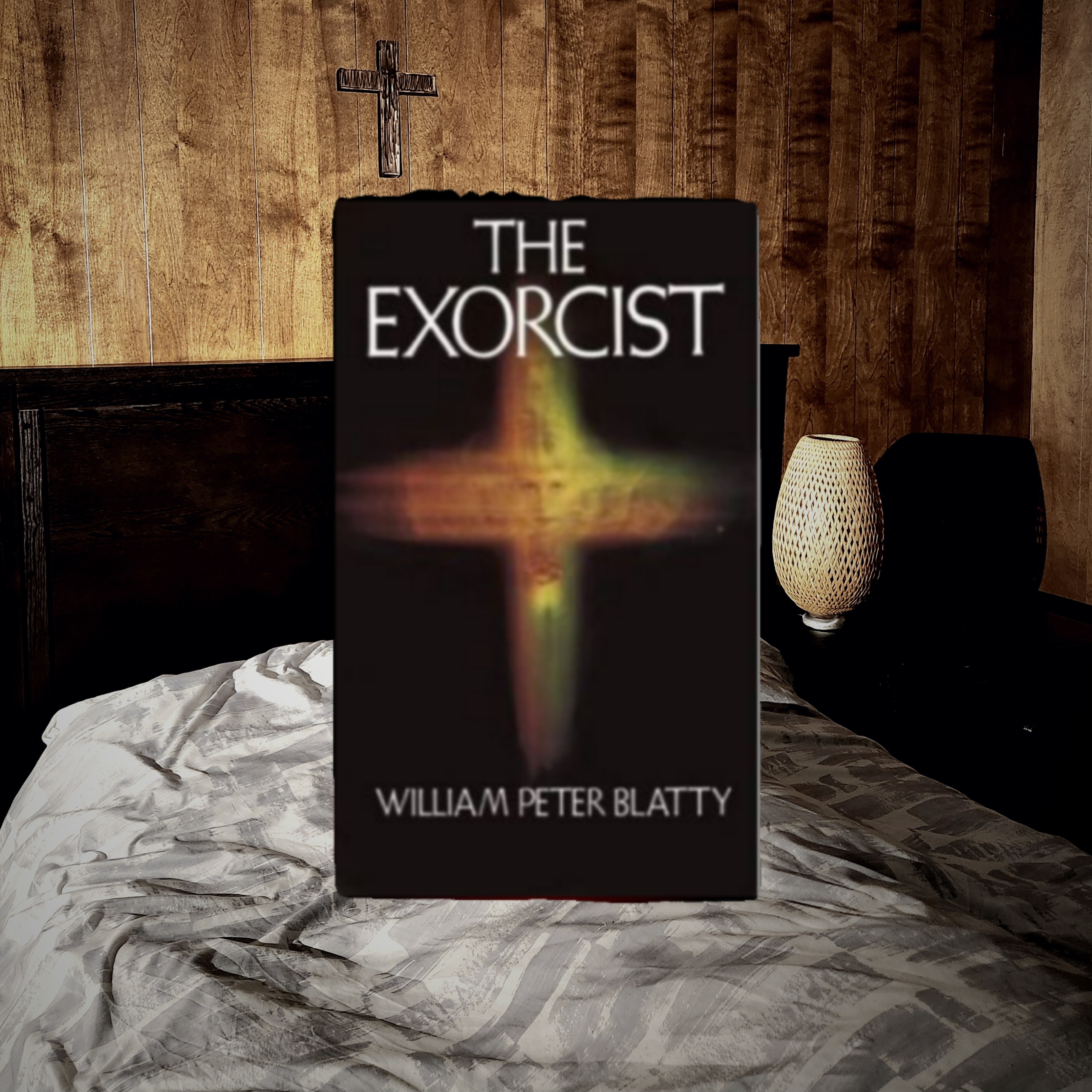
1.) The book largely escaped controversy. While The Exorcist was incredibly popular before the release of the film, and features similar horrific imagery, the novel didn’t generate nearly as much controversy as The Exorcist movie did. This could be because the book is more clearly a story of the struggle between good and evil, while the film focuses more on the torture of Regan and her mother by the unseen demonic force. Additionally, sensational news and gossip surrounding the actors and production of the film helped fuel the movie’s larger controversy.

2.) It had a significant impact on the horror genre. Though it seems wild to consider now, before The Exorcist was published, the word “exorcism” was relatively unknown outside the Catholic church — and even there it was mostly considered an arcane curiosity. With the explosive popularity of the novel and its subsequent movie adaptation, exorcism became a recognizable (if horrifying) concept for the average American. Today, demonic possession and exorcism are familiar enough horror tropes to support their own sub-genre.

3.) The book was popular in its own right before the film came along. Following its 1971 release, The Exorcist spent over a year on the New York Times Bestseller list, and seventeen consecutive weeks in the #1 spot. Its success was unprecedented for a horror novel at the time. It became one of the bestselling novels of the 70s, and has remained pretty consistently popular ever since.

4.) The Exorcist was not immediately successful on release, though. According to Blatty, the book was doing pretty meager sales until a last-minute guest cancellation landed him a spot on The Dick Cavett Show. When the interview for the first guest ran short, Blatty reportedly had an entire 40 minutes to discuss his book on the air. Within two weeks, The Exorcist had the number-one spot on the NYT Bestsellers. (Note: Looking into this story, it doesn’t appear that there is surviving footage of this interview, or at the very least it’s not publicly available).

5.) Writing The Exorcist was a very personal and spiritual experience for William Peter Blatty. According to interviews, the character of Father Karras is based partially on Blatty’s own struggles with faith.

6.) The novel was banned in a number of countries, including Kuwait and South Africa, for content that was deemed too disturbing, graphic and blasphemous by authorities.

7.) Many subplots from the book were left out of the film. While no book-to-screen adaptation can keep everything, movie-only fans will miss out on juicy details like the suspicious secret that Karl is keeping from his wife, or Chris getting so close to having the chance to direct her own film, or the friendship that starts to blossom between Lieutenant Kinderman and Father Karras.

8.) The novel was inspired by true events. In 1949 when he was attending Georgetown University, Blatty read a news story telling how a Maryland priest allegedly banished a demon from the body of a 14 year old boy. This story stuck with Blatty, and eventually some of the key details of the news report — such as the use of a Ouija board as a potential catalyst for the possession — not only made it into the final version of The Exorcist novel, but still remain popular tropes in possession horror to this day.

9.) The book is a lot more ambiguous about whether or not Regan is actually possessed. While the movie makes it pretty clear that Regan’s body is being controlled by something supernatural, the novel questions that conclusion throughout. Though the events of the book certainly tempt the reader to believe, ultimately you’re left to decide in the end: was there really a demon?

10.) A revised edition was released for the novel’s 40th anniversary. In 2011, The Exorcist was re-released in an updated version with new cover art and even some new scenes added by Blatty. He spoke fondly of the opportunity to polish up his most famous novel, stating, “This is the version I would like to be remembered for.”

***

Have you read The Exorcist or seen the film? What’s the story behind your experience with this genre-defining tale? Tell me about it down in the comments, or join the conversation on my Instagram. Do it. The power of Christ compels you!
White Teeth by Zadie Smith

14 Wednesday Jan 2015

Posted by Mallory F in Reviews

≈ Leave a comment

Tags

books, literature, Pushing 30 Reading Challenge, race, religion, Reviews

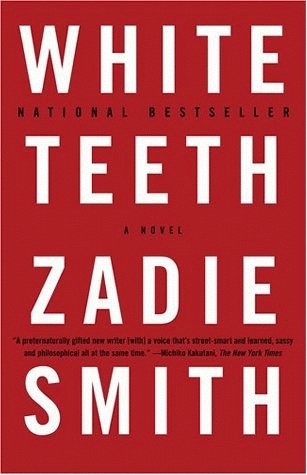
3711Zadie Smith, I should start out by saying, is a good author. A really good author. I was skeptical reading the first couple chapters of this book, which follows characters so unlikely, so far from the archetypal “everyman,” that I didn’t think I could find their stories interesting at all — people so dramatically removed from my demographic that I wasn’t sure there was anything I could gain from reading about them. I was proven wrong; I did become quite interested, enough so that I came back late from several lunch breaks, frustrated that I didn’t have time to stay and see the characters through to the end.

White Teeth is about a lot of people living in late 20th-century England. First it’s about Archie Jones, a painfully average man and World War 2 veteran, whose suicide attempt is averted by what he sees as forces of fate. It’s about his young wife Clara, a former Jehovah’s Witness from Jamaica with a desire to leave her roots behind. It is about his best friend and army comrade Samad Iqbal, a pious Muslim and former intellectual, disappointed in his own inability to leave a mark on the world. It’s also about the children of these people, Samad’s twins Magid and Millat, and Archie and Clara’s daughter Irie. The second half of the book in particular deals with the dreams and struggles of these young people. The book is about identity — what does it mean to be Jamaican? Bengali? Mixed-race? Muslim? English? Or any combination of these things? Which of these identities should be first, and why is it shameful to believe otherwise? It’s about duty to one’s family, one’s country, one’s religion. This novel covers a lot of ground and it does a beautiful job, weaving the lives, dreams and tribulations of its characters together with magnificent and engaging prose.

That said, I felt thoroughly blue-balled by this novel. Such a gorgeously-crafted story that spans demographics and generations, I thought, must have an equally beautiful ending. I wanted to get there, to find out the final destination of this captivating journey. However, I felt like I’d made a cross-country trip to Disneyland, only to be met by a “closed for renovations” sign. Or maybe it’s more like establishing a long and fulfilling pen-and-paper relationship with a penpal and right before you’re about to meet for the first time, you get a letter from his mother saying that you won’t be hearing from him anymore with no further explanation. Maybe I should stop trying to come up with similes.

I certainly can’t presume to tell anyone how to write. I need tips myself. And Zadie Smith is undoubtedly a million times better at it than I am. I do happen to be a pretty avid reader, though, and as such I’ve developed certain expectations from a novel. Is it horrible if those expectations are shattered now and then? No, in fact sometimes it’s really good. But at the bare minimum I expect a story to have a goal. And I can’t for the life of me figure out what the goal of this novel was. In fact, the last page and a half pretty much says to the reader, “I bet you want to know what happens. Fuck off, this story doesn’t work that way.” There is a climax of sorts, but no resolution.

So I have to wonder, what story were you trying to tell, Zadie? All these characters who I’ve come to care about are brought together, all the energy of their conflicts coming to a head at one pinnacle event, and then the story ends. It seems like a self-indulgent “fuck you” to the reader. And why write a novel if that’s where you want to go with it? I’m really baffled and disappointed.

I know, the destination doesn’t matter as much as the ride. And that seems to be the “moral” of the whole book — that the destination is never the utopia we imagine it to be, and real life doesn’t always have resolution. But I think it does matter, and I think that such a great story at least deserves a decent resolution. Maybe I’m being too entitled as a reader, but a lifetime of escapist reading has given me that expectation. I feel cheated.

Read this if you enjoy great character development and superior prose, but definitely don’t expect any payoff at the end. If the destination doesn’t matter, if the ride itself is good enough for you, then this might be your novel.

Pages

  • About Me
  • Reviews
  • Instagram
  • Threads
  • Goodreads

      9/11 80s afterlife amazon anne rice asian lit A Song of Ice and Fire book-review book-reviews books classics comedy depression experimental fiction fantasy fiction florida free Game of Thrones gothic grady hendrix graphic design historical fiction horror humor isabel-canas king arthur literature manga memoir motherhood murder mystery mythology nonfiction novellas nuclear Palahniuk public domain Pushing 30 Reading Challenge race relationships religion Reviews rl stine romance sci-fi sex shapeshifting slasher southern gothic stephen graham jones stephen king suspense thriller true crime twilight vampires video games wicked witches YA horror

      Blog at WordPress.com.

      • Subscribe Subscribed
        • Adequate Squatch Presents
        • Already have a WordPress.com account? Log in now.
        • Adequate Squatch Presents
        • Subscribe Subscribed
        • Sign up
        • Log in
        • Report this content
        • View site in Reader
        • Manage subscriptions
        • Collapse this bar
       

      Loading Comments...